Guest Post Removed by Publisher: 5 Steps to Recover Your Lost Backlink
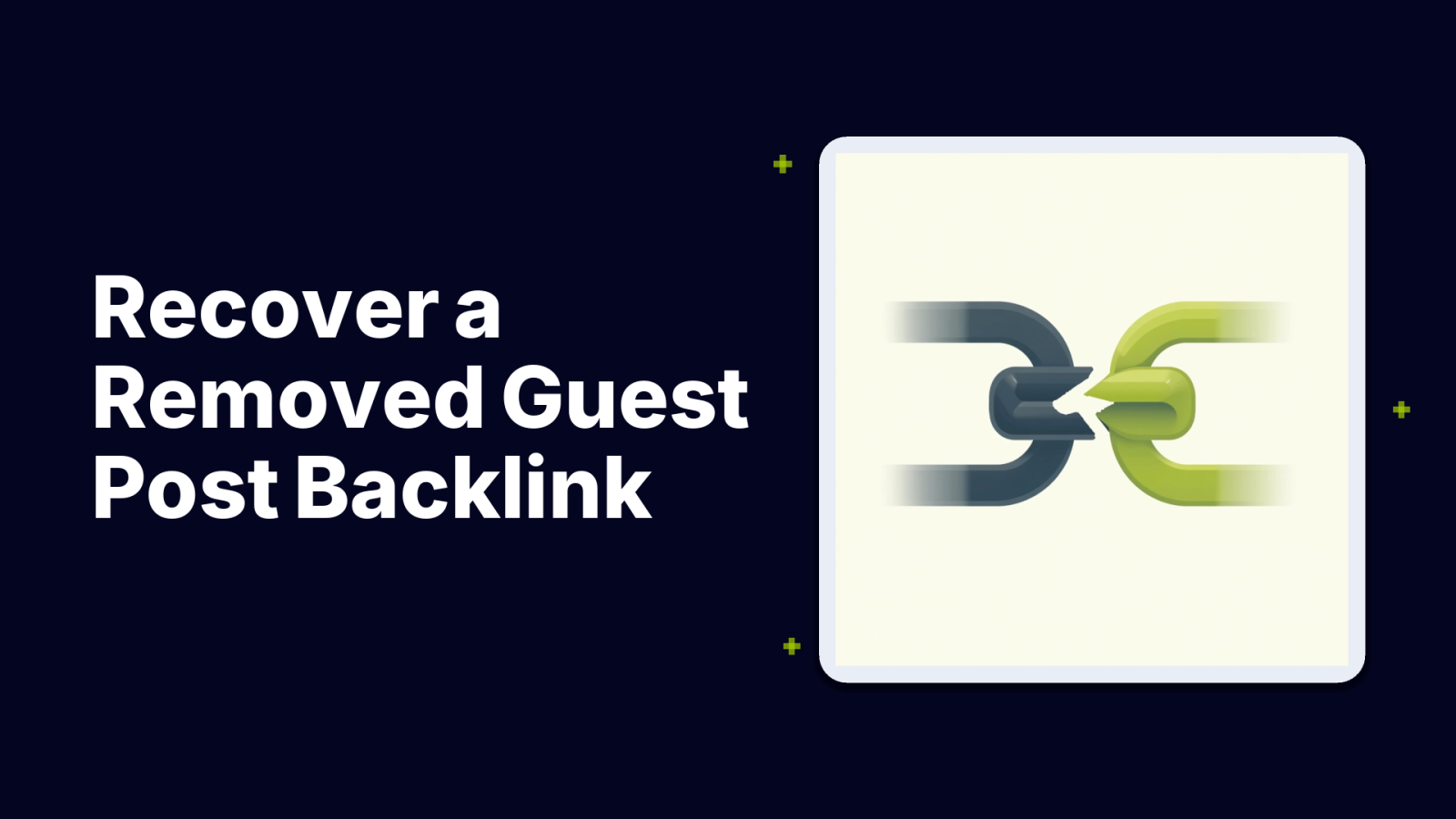
A guest post disappearing after publication can be frustrating, especially when you’ve invested time, money, or both to earn that backlink. Whether your guest post removed by publisher unexpectedly or the link simply vanished from an existing article, the impact can extend beyond a single lost backlink.
If the placement was helping your rankings or supporting an important page, losing it may weaken your link-building efforts over time. The good news is that not every missing backlink is gone forever.
Before assuming the worst, it’s important to identify what actually happened and choose the right recovery strategy. A structured approach can often restore the placement, or help you replace it with a stronger opportunity.
Don’t Assume the Backlink Is Gone
One of the biggest mistakes website owners make is reacting before verifying the issue.
A backlink may appear to have disappeared for several reasons, and not all of them mean the publisher intentionally removed your guest post.
For example, the article might still exist but:
- The page has been temporarily unpublished during a website update.
- The URL has changed after a site migration.
- Your backlink has been accidentally removed during a content revision.
- The page has been deindexed while remaining live.
- The website is experiencing technical issues.
Each of these situations requires a different solution.
Before contacting the publisher, visit the original URL and check whether the article still exists. If it returns a redirect or a 404 error, investigate further using Google Search or an SEO tool to understand what changed.
Confirming the actual problem first saves time and prevents unnecessary communication.
Step 1: Identify Why the Guest Post Was Removed
Recovering a backlink becomes much easier when you know exactly why it disappeared. Generally, guest posts are removed for one of four reasons.
The publisher may have deleted the article as part of a content cleanup. They may have redesigned their website and removed older pages. In some cases, they revise an article and remove outbound links that no longer fit the updated content. Occasionally, websites simply shut down or expire, making recovery impossible.
There’s also another possibility that many people overlook. Sometimes the article hasn’t been deleted at all. The published guest post taken down may simply have been moved to a new URL without a proper redirect, making it appear lost even though the content still exists somewhere else on the website.
Taking a few minutes to investigate can prevent you from replacing a backlink that never actually disappeared.
Step 2: Contact the Publisher Professionally
If you’ve confirmed that the article or backlink has genuinely been removed, your next step should always be reaching out to the publisher.
Avoid sending an email that immediately demands the backlink be restored. Instead, assume the removal may have been unintentional.
A polite message asking whether the article was removed during maintenance or whether the backlink was accidentally omitted often receives a much better response.
Many publishers update older content regularly. During those updates, links can disappear simply because the article was rewritten, shortened, or reformatted.
Professional communication also helps preserve long-term relationships. Even if the original article cannot be restored, the publisher may offer another placement or suggest updating an existing article instead.
Approaching the conversation collaboratively rather than confrontationally often leads to a better outcome.
Step 3: Confirm Whether the Link Still Passes Value
Not every missing backlink has been removed. Sometimes the link remains visible but no longer provides meaningful SEO value.
For example, the publisher may have:
- Added a nofollow or sponsored attribute.
- Changed the destination URL.
- Replaced your anchor text.
- Redirected the article to another page.
- Removed the surrounding contextual content that supported the backlink.
These changes can reduce the effectiveness of the backlink even though the article remains online. This is one reason SEO professionals regularly monitor lost guest post links instead of checking only whether the page exists.
A backlink audit should verify both the article and the quality of the link itself. Simply seeing your URL on the page doesn’t necessarily mean you’re receiving the same SEO benefit you originally earned.
Recovery Isn’t Always the Best Option
Many website owners assume every lost guest post should be recovered. That’s not always the right decision.
If the publisher’s website has experienced a significant decline in organic traffic, changed ownership, or shifted toward publishing low-quality sponsored content, replacing the backlink elsewhere may provide greater long-term value than restoring the original placement.
Link building isn’t about preserving every backlink indefinitely. It’s about maintaining a backlink profile built on relevance, authority, and editorial quality.
Sometimes the smartest recovery strategy is knowing when to move on from a publisher that no longer meets your standards.
Step 4: Recover the Backlink or Replace It
Once you’ve confirmed that the backlink has been permanently removed, it’s time to decide on the best course of action.
The first option should always be recovery.
If you have a good relationship with the publisher, ask whether the original article can be restored or whether your backlink can be added back to a relevant page. In many cases, publishers remove content during website maintenance, redesigns, or editorial updates rather than intentionally deleting paid or approved guest posts.
If restoring the original article isn’t possible, request an alternative placement. A backlink from another relevant article on the same website is often just as valuable, provided the page has strong organic visibility and fits naturally within the content.
The objective isn’t to recover the exact URL—it’s to restore the SEO value you originally invested in.
This is the most practical approach when learning how to recover lost backlinks because it focuses on preserving authority instead of insisting on a specific page.
Step 5: Learn From the Loss Before Building New Links
Every lost guest post provides useful information about the publisher. Instead of treating it as an isolated incident, review what caused the backlink to disappear.
Ask yourself:
- Was the publisher actively maintaining the website?
- Did the site experience declining organic traffic?
- Was the content primarily created for selling guest posts?
- Did the publisher communicate before making changes?
- Would you choose this website again?
These answers help improve future publisher selection and reduce the likelihood of losing valuable backlinks again.
A strong link-building strategy isn’t measured by how many backlinks you build. It’s measured by how many continue providing value over the long term.
Why a Replacement Policy Matters
One detail that many buyers overlook is what happens after the guest post is published. Some publishers consider the job complete once the article goes live. Others offer a replacement if the article is removed within a specific period.
Before purchasing any placement, ask whether the publisher has a guest post replacement guarantee policy.
A reliable policy should clearly explain:
- How long the publisher guarantees the placement.
- Whether a replacement article will be provided if the original page is removed.
- What happens if the entire website becomes unavailable.
- Whether the replacement will be published on a website with similar quality and relevance.
Clarifying these details before payment protects your investment and prevents misunderstandings later. Professional publishers are usually transparent about their policies because they understand that long-term relationships depend on trust.
Extra Care Is Needed With High-Risk Niches
Some industries experience higher content turnover than others.
For example, crypto guest post sites often update, merge, or remove content much more frequently due to changing regulations, market trends, and editorial policies.
That doesn’t mean every crypto publisher is unreliable. It simply means you should perform additional due diligence before investing in placements.
Review whether the website has maintained consistent organic traffic, continues publishing original content, and has remained active for an extended period. Websites that frequently change ownership or shift between unrelated topics are generally less reliable for long-term link building.
The same principle applies to other competitive niches where publishers aggressively monetize guest posting opportunities.
Prevent Future Guest Post Losses
Recovering a backlink is helpful, but preventing future losses is even better. Most backlink removals can be reduced by choosing publishers more carefully before your content is published.
Focus on websites that demonstrate consistent editorial standards rather than those accepting every guest post submission.
It’s also worth maintaining a simple tracking system for important placements. Checking your highest-value backlinks periodically allows you to identify problems early instead of discovering them months after they disappear.
Finally, build relationships, not just transactions. Publishers who know your work and value your contributions are far more likely to communicate before making significant changes that affect your content.
Conclusion
Losing a guest post doesn’t automatically mean losing its SEO value forever. The first step is understanding why the backlink disappeared. Sometimes the issue is technical, sometimes editorial, and sometimes the website itself has changed.
Once you’ve identified the cause, decide whether restoring the backlink, requesting a replacement, or earning a new placement elsewhere provides the greatest long-term benefit.
More importantly, use every lost backlink as an opportunity to improve your publisher selection process. The best link-building campaigns don’t just focus on acquiring backlinks—they focus on building placements that continue delivering value months and even years after publication.
Frequently Asked Questions
1. Why would a publisher remove my guest post?
Guest posts are commonly removed during website redesigns, content cleanups, ownership changes, editorial updates, or when publishers stop maintaining older content.
2. Should I contact the publisher if my backlink disappears?
Yes. Verify the issue first, then contact the publisher professionally. Many removed backlinks result from website updates and can often be restored or replaced.
3. How long should a guest post remain live?
There is no universal timeframe, but reputable publishers generally intend guest posts to remain live permanently unless editorial or technical changes require updates.
4. Can a removed guest post affect my SEO rankings?
If the backlink was contributing authority to an important page, losing it may reduce its SEO value over time, especially if it was one of your strongest editorial backlinks.
5. Should I replace a lost backlink instead of recovering it?
If the publisher no longer meets your quality standards or has lost significant search visibility, replacing the backlink with a stronger placement is often the better long-term decision.
6. How often should I check my guest post backlinks?
Review your most valuable backlinks regularly, particularly those supporting important commercial or high-ranking pages. Routine monitoring helps identify issues before they affect your SEO performance.
7. Do all publishers offer replacement guarantees?
No. Policies vary from one publisher to another, which is why it’s important to discuss replacement terms before purchasing a guest post.
8. What’s the best way to reduce future backlink losses?
Choose reputable publishers, prioritize editorial quality over low prices, maintain relationships with website owners, and regularly monitor your most valuable guest post placements.
Create a free account, browse 5,000+ vetted sites, and place your first order today. No credit card required.
Sign Up Free →